Research Mission
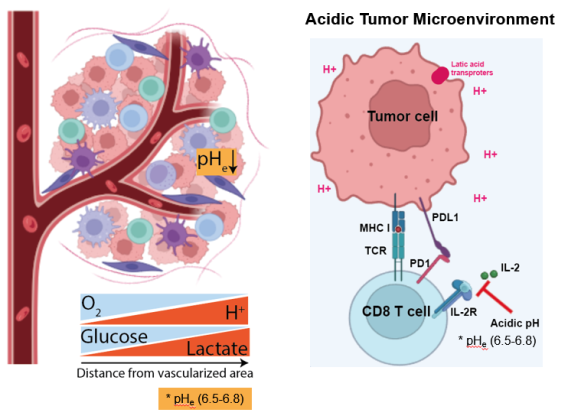
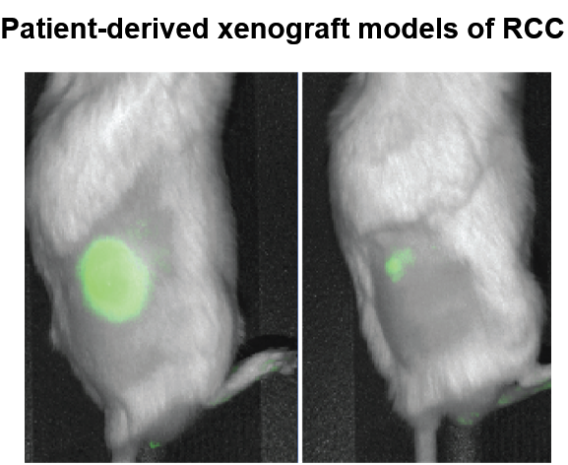
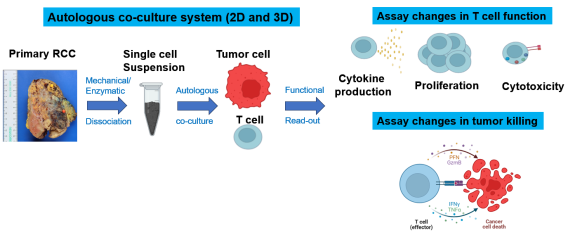
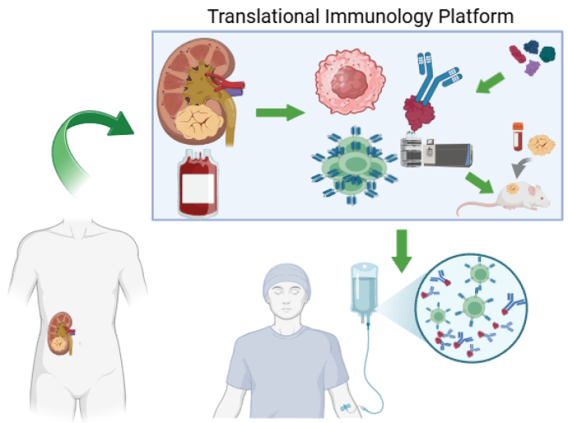
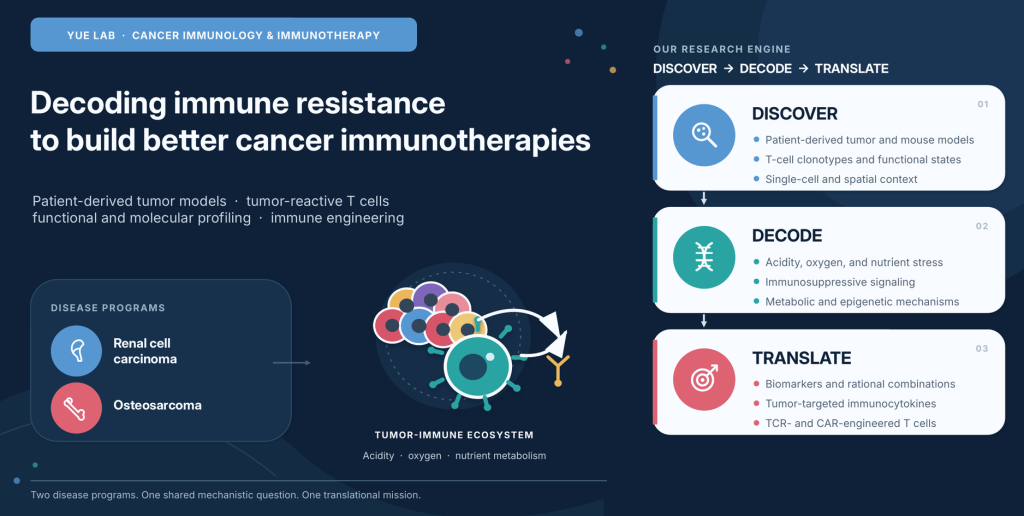
Our laboratory develops innovative cancer immunology and immunotherapy strategies by integrating patient-derived tumor models, immune engineering, and tumor microenvironment biology. Our research focuses primarily on renal cell carcinoma and osteosarcoma, using patient-derived tumor fragments, patient-derived xenografts with matched tumor-infiltrating lymphocytes, and clinically relevant mouse models to define mechanisms of therapeutic response and resistance. We investigate how microenvironmental factors—including acidity, oxygen availability, nutrient metabolism, and immunosuppressive signaling—shape antitumor T-cell function and influence responses to immune checkpoint blockade. Building on these mechanistic insights, we develop and evaluate next-generation therapeutic approaches, including tumor-targeted immunocytokines, combination therapies informed by metabolic and epigenetic mechanisms, and TCR- or CAR-engineered T cells. By connecting functional studies of native patient tumors with molecular profiling and therapeutic engineering, our long-term goal is to identify clinically actionable biomarkers, restore effective antitumor immunity, and translate laboratory discoveries into more precise and durable treatments for patients with difficult-to-treat cancers.